


On July 26th, we proudly joined government leaders, Members of Parliament, development partners, civil society, and fellow advocates for the Parliamentary Walk Against Malaria 2026—a powerful reminder that ending malaria requires all of us.
At Pilgrim Africa, we believe that every child deserves the opportunity to learn, grow, and thrive without the burden of malaria. That is why we continue to invest in evidence-based interventions that protect learners, strengthen communities, and support Uganda's journey towards malaria elimination.
The walk may last a few kilometres, but the commitment it represents reaches every school, every family, and every community affected by malaria.
Together, we can turn collective action into lasting impact.
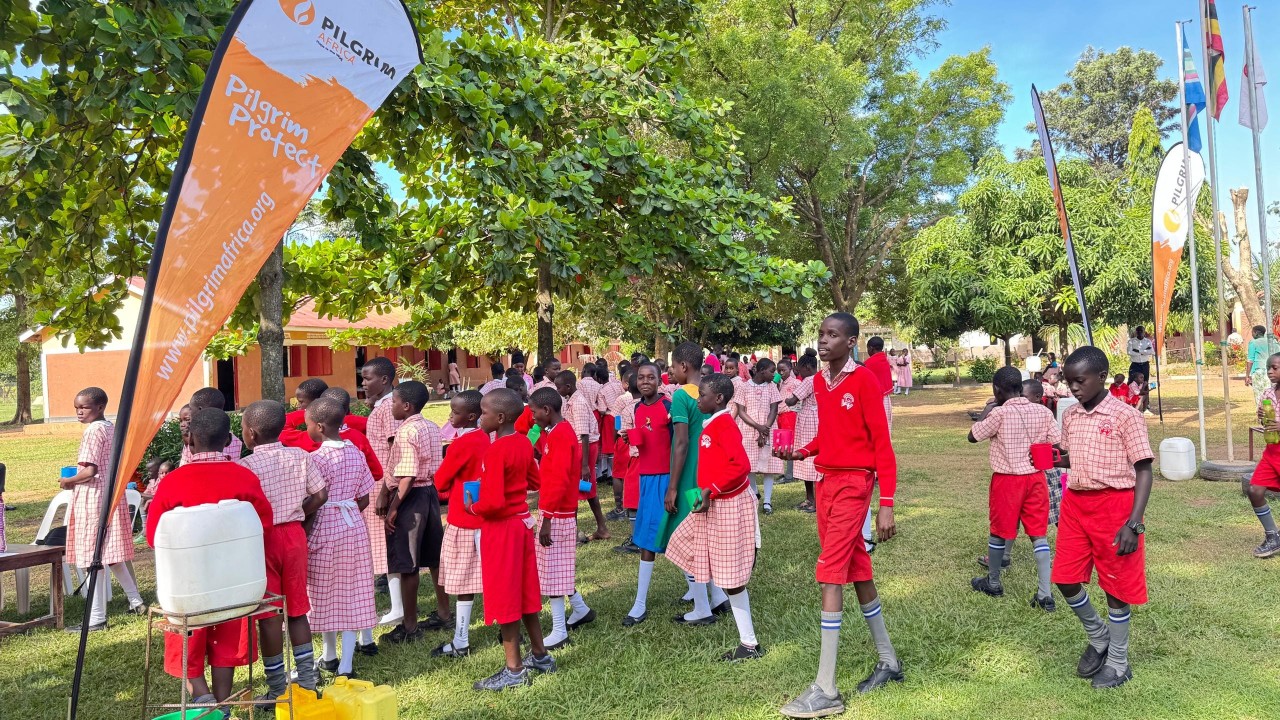
The loss of a teenage child from malaria is a pain no family should ever have to endure. This kind of pain is unfathomable! It shatters dreams, devastates parents, and leaves an empty desk in a classroom that will never again be filled. The recent death of a student at Gayaza High School is a heartbreaking reminder that malaria continues to steal the lives of Uganda's children, including those we often assume are safe because they are attending school. This tragedy should not be viewed as an isolated event. It should be a national wake-up call.
In epidemiological week 26, Uganda recorded 143,756 confirmed malaria cases and a 30.9% malaria test positivity rate. The ministry also reported 17 deaths during the same week, reminding us that despite remarkable progress, malaria continues to claim the lives of our children when it is a preventable disease. Yet behind every statistic is a child, a family, a teacher, and a community forever changed. Malaria in schools is more than just a health problem; it is an education crisis. Every malaria episode keeps a learner away from school, disrupts examinations, reduces concentration, and places huge emotional and financial strain on families. And yet, known malaria prevention in schools costs less than $1 per student. A child who survives severe malaria may experience long-term cognitive impairment, poorer educational attainment, and repeated absenteeism. Studies estimate that each malaria episode results in 2 to 6.5 days of missed schooling, with cumulative effects on academic performance and future productivity.
With more than 75% of Uganda's children spending much of their time in school, our classrooms have become one of the country's largest, and most overlooked, settings for malaria prevention. The encouraging news is that Uganda knows what works. The country does not need to invent new solutions. Under the leadership of the Ministry of Health's National Malaria Elimination Division (NMED), school-based malaria prevention is already demonstrating remarkable results. Through the School Protect Programme, schools are implementing combinations of Indoor Residual Spraying (IRS), Intermittent Preventive Treatment for Schoolchildren (IPTsc), health education and formation of school clubs with learners as champions who promote adoption of malaria-prevention behaviours, and strengthened surveillance. Districts benefiting from IRS have reported dramatic reductions in malaria transmission, demonstrating that prevention can transform schools into safer learning environments.
Pilgrim Africa is proud to contribute to this growing evidence base through the upcoming Spatial Emanators, Indoor residual Spray Evaluation in schools (SENSE) Trial, which will be evaluating integrated school-based approaches to malaria prevention across 165 selected schools in Uganda. The study is generating evidence on how schools can become effective platforms for malaria prevention, surveillance, and community engagement. Schools can become powerful platforms for malaria prevention and not just places for learning. Protecting learners from malaria should become as fundamental as providing safe drinking water, sanitation facilities, and emergency fire procedures.
Our plea and call to action is for all of us to take responsibility.
To school proprietors, boards, and head teachers: Make malaria prevention a core part of school management. Develop and implement school malaria prevention plans. Invest in insecticide-treated nets for boarding students, maintain clean compounds, support environmental management, and work closely with district health teams.
To parents: Ask what malaria prevention measures are in place before choosing a school. Protection from malaria should be as important as academic performance.
To the Ministry of Education and Sports Uganda: Integrate malaria prevention standards into the National School Health Policy and require every boarding school to implement minimum malaria prevention measures as part of school licensing, inspection, and quality assurance.
To the Ministry of Health - Uganda and the National Malaria Elimination Division: Continue leading the expansion of evidence-based school malaria interventions and, where the evidence supports effectiveness, work with the Ministry of Education and Sports to institutionalize school-based malaria prevention as a national standard.
To Development Partners: Now is the time to invest in scaling proven school-based malaria interventions. Uganda has demonstrated that these approaches are feasible, cost-effective, and capable of reaching large vulnerable populations of children.
The path to malaria elimination begins where Uganda's future is shaped: in our classrooms, dormitories, and schoolyards. Let us make every school a malaria safe zone and ensure that no learner is left behind.
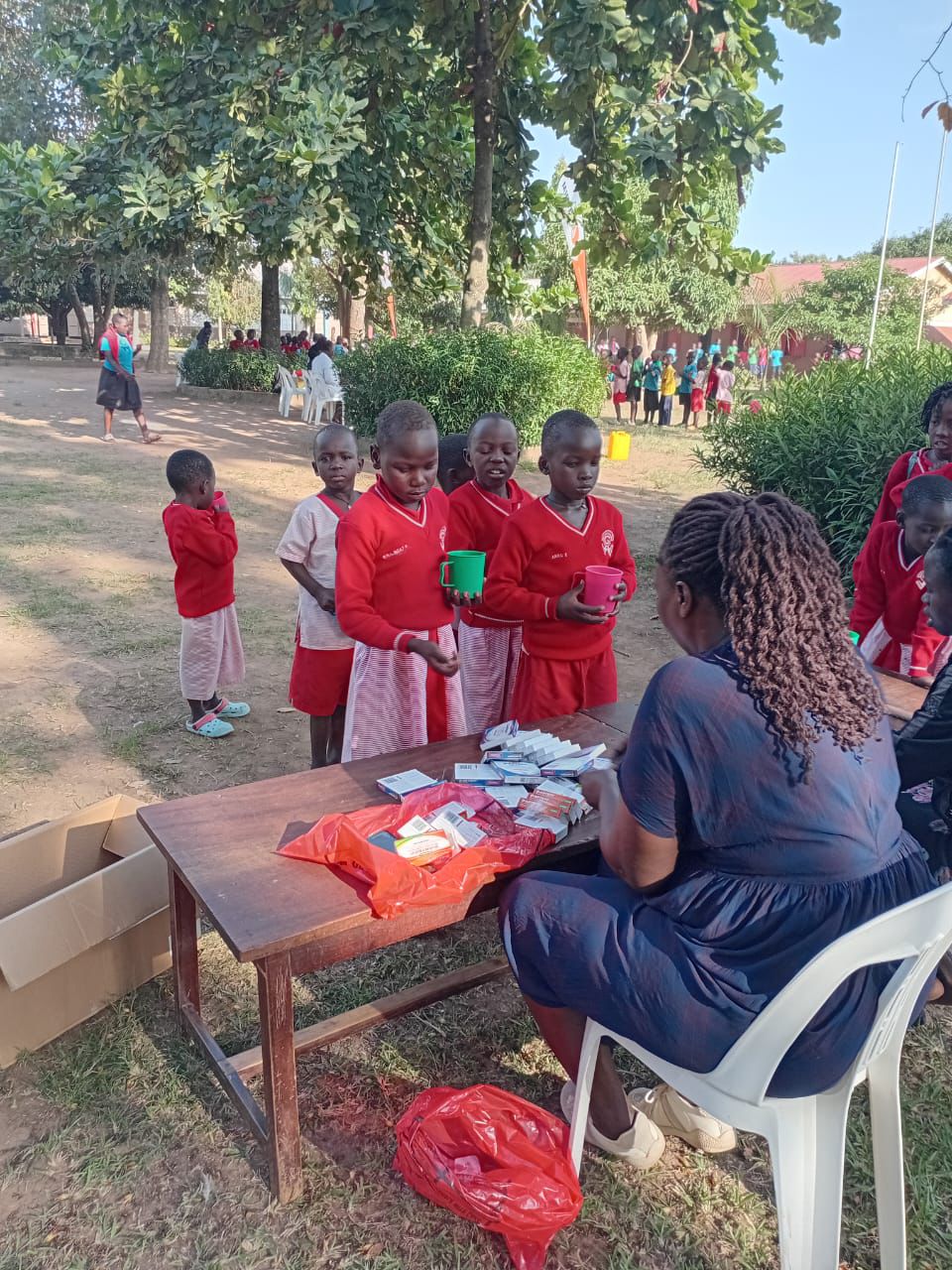
More than 2500 learners at Halcyon High School and Teso Boarding Primary School are receiving an added layer of protection against malaria through the ongoing implementation of Intermittent Preventive Treatment in Schoolchildren (IPTsc).
As the school protect program progresses, we remain committed to ensuring that learners stay healthy, remain in class, and have the opportunity to achieve their full academic potential without the disruption of malaria.
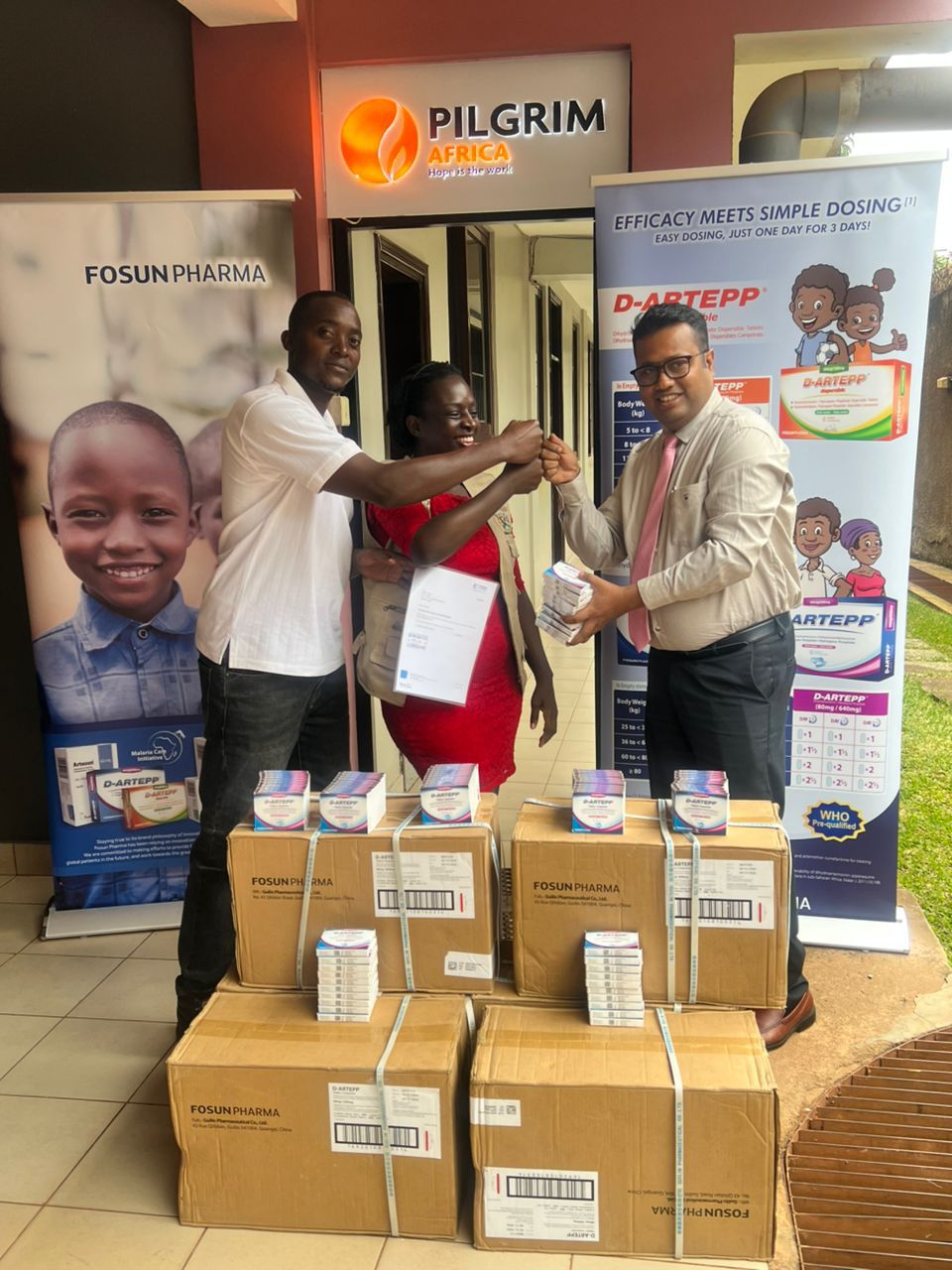
This milestone would not be possible without the generous donation of IPTsc medicines from Fosun Pharma & TRIDEM Pharma. Their support is helping bring proven malaria prevention interventions closer to the learners who need them most.
Together, we are investing in healthier schools, stronger learning outcomes, and a future where malaria no longer stands in the way of education.
Every time we visit schools, we see how malaria disrupts learning. A sick child cannot fully participate in class. For many families, repeated malaria episodes mean missed school days and added financial strain.
That is why we are deeply grateful to Fosun Pharma & TRIDEM Pharma for their continued support. For the second term in a row, they have donated 2,200 packs of D-Artepp 80mg/640mg Tablets to our malaria prevention efforts in Soroti city and district schools.
Starting 15 June, our teams will return to Soroti to work alongside schools and district health workers. Our goal: keep more children healthy and in class.
This recurring contribution is more than medicine. It is a sustained investment in children's health and education.
We know the need is still great, and no single organization can do it alone. We invite more partners, organizations, and individuals who believe in a healthier future for children to join us in expanding access to malaria prevention in schools.
Together, we can help ensure fewer children miss class because of malaria — and more children stay in school, learn, and grow.
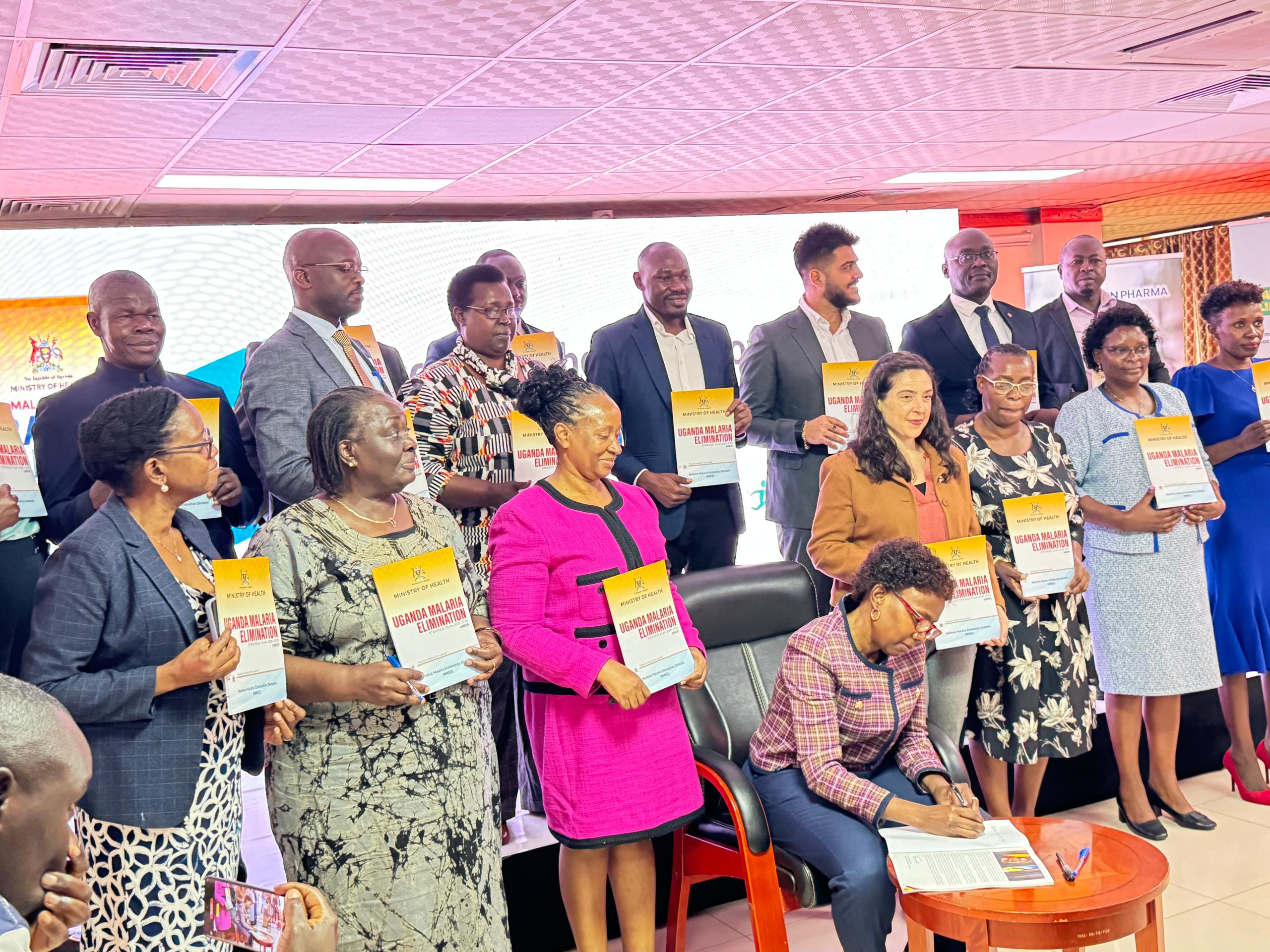
Congratulations to the National Malaria Elimination Division and all partners on the successful launch of the National Malaria Elimination Strategic Plan.
This milestone sets a renewed direction toward a malaria-free Uganda—driven by stronger collaboration, community action, and sustained commitment to impact where it matters most.
As an implementing partner, we are proud to stand alongside you to turn this strategy into real progress for communities across the country.

Malaria remains a substantial public health challenge and economic burden on Ugandan communities, impacting individuals, families, and national productivity. According to the World Health Organization's 2023 Malaria Report, Uganda recorded approximately 597,000 new malaria cases in 2022, contributing to the global total of 249 million cases across 85 malaria-endemic countries. Uganda accounted for about 5.1% of global cases and roughly 3.2% of malaria deaths, highlighting the significant strain on its health system.


Globally, malaria case incidence was approximately 58 per 1,000 population at risk in 2022, showing a slight increase from previous years. The WHO African Region remains disproportionately affected, housing 94% of all malaria cases and 95% of malaria deaths worldwide. Uganda’s contribution to these statistics underscores the significant toll that malaria continues to take on its population and the urgent need for improved control and prevention efforts (World Malaria Report 2023).


For a typical Ugandan family, a single malaria episode costs about UGX 33,500 (approximately $9)—3% of their annual income. When multiple infections occur each year, families in malaria-endemic areas may spend up to 25% of their household income on prevention and treatment. This financial strain results in lost workdays, lower productivity, and reduced school attendance, further exacerbating poverty and hardship.
On a larger scale, industries and agricultural sectors suffer from reduced labor productivity, and potential investors are hesitant to engage in countries with high malaria prevalence, hindering growth and development.
With the increasing challenge of mosquito resistance to insecticides and antimalarial drugs, coupled with the unpredictable effects of climate change, Uganda faces an urgent need to explore new tools and strategies in its malaria control efforts. Emerging innovations, such as recently developed vaccines and genetic methods, bring hope for sustainable malaria reduction. The WHO has highlighted that such innovations, including the RTS,S/AS01 vaccine, could make a significant difference, especially in highly endemic regions. However, scaling up these solutions requires substantial investment in research, development, and broader public health infrastructure to ensure that they reach all communities effectively.
Expanding Uganda’s arsenal against malaria involves not only adopting new technologies but also securing continuous funding to address evolving challenges. The time to act is now—combatting malaria isn't just about saving lives, it's about protecting Uganda's economic potential and empowering communities for a brighter tomorrow.

Empowering Voices That Might Otherwise Go Unheard!The future of Uganda depends on our collective action against malaria. Let’s support the next generation’s call to end this preventable disease!

Program for the World Malaria Day Science Colloquium 2023
Presentations by Dr. Dorothy Echodu, Pilrgrim Africa CEO

At the end of May, the Ugandan government reported an alarming surge in malaria in several large regions across the country, including Busoga, Lango, Acholi, Tooro and West Nile. The cause of this increase is unknown, but the ministry of health reported a 50% increase in people seeking treatment for malaria. In these highly affected areas, malaria now accounts for up to 80% of all outpatient attendance, up from 30%. Approximately 50% of the severe malaria cases reported in the last few months presented with anemia so advanced that blood transfusions were required. Malaria deaths have increased threefold.
Support is needed at this crucial time to fight the increase in disease. These malaria affected areas are short of critical prevention tools like the bednets Pilgrim recently helped the national malaria control program deliver in Lango. Please support Pilgrim Africa as we support the people of Uganda.
Sources: The Independent (article and photo credit)
Uganda Media Centre

Pilgrim Africa was honored to be a part of the first-ever Public-Private-Partnership (PPP) for indoor residual spraying (IRS) in five urban slums of Kampala District, Uganda, carried out in January 2022. As part of the PPP IRS pilot, Pilgrim Africa (PA) conducted a community-based survey in children 15 years.
and under in both PPP-sprayed and unsprayed urban slums.
Collaborating closely with the Kampala Capital City Authority (KCCA) and the National Malaria Control Division (NMCD), the PA team engaged 16 village health teams and 8 local councils to enumerate all households in 5 sprayed and 2 unsprayed parishes prior to survey implementation. A total of 400 households were randomly selected from each strata to participate in the survey, which consisted of a household questionnaire, a caretaker’s questionnaire and a malaria biomarker assessment using rapid diagnostic test (RDT) to test and treat children 15 years and under in the household.
From April 22nd – May 7th, 2022, interviewers surveyed a total of 738 households, 731 caretakers and assessed 1,212 children 0–15 years of age.
The community-based survey found that malaria in slum dwellers in unsprayed homes is 7 times higher than it estimated for city residents on average. The survey also revealed significant housing and environmental deficiencies that expose residents to mosquitoes, and also serve as breeding and habitat sites for malaria mosquitoes. Roughly 50% of households in both PPP-IRS and unsprayed parishes reported feeling unprotected from mosquito biting while at home, and 70% feel their environment (i.e. the stagnant water, sewage and drainage) is the cause. While only a small proportion of households use mosquito repellent (6%) or mosquito coils (5%), almost 40% of households dry out puddles and stagnant water around their house.
Though IRS is a highly effective intervention in high burden malaria areas, it may not be the stand-alone intervention for urban settings, where the surrounding environment continues to breed malaria mosquitoes. Results from this survey can help inform a multipronged approach for urban settings. A combined public-private partnership with community engagement can support malaria prevention and control in a largely ignored and vulnerable population.


In alignment with 2022 World Malaria Day’s message of “strengthening country ownership,” Pilgrim Africa collaborated with multiple partners to implement the first-ever Public-Private-Partnership for malaria vector control in Kampala.
Guided by the National Malaria Control Division and spearheaded by Malaria-Free Uganda, numerous public and private organizations worked tirelessly to carry out indoor spraying in neglected households in five urban slum areas.
Pilgrim Africa staff are now surveying the work, measuring malaria infection rates and interviewing families. Impact is beginning to show!

Mrs. N. Jane is a single mother of four children and is a resident of Kisenyi slum in Kampala. The slum is characterized by high poverty levels; makeshift, crowded housing made of temporary building materials; poor drainage and accumulated garbage; high levels of school dropouts; teen pregnancies, a high burden of communicable diseases; and a high crime rate.
Jane operates a small restaurant and does food vending within this slum and stays in a two-room rented house with her four kids and one grandson. The house is located next to a blocked drainage channel that collects sewage and rainwater from the neighboring households. Before the spraying of the slums by Pilgrim Africa, Jane was constantly in and out of clinics treating herself and the children for malaria almost every month. Jane would barely save a penny from her small vending business since the clinics would consume 20,000-30,000 UGX ($6-$9) for each treatment per person.
Now, three months after Pilgrim’s spray campaign, there has not been a single episode of malaria in Jane’s household. She has managed to save part of her children’s school fees from her business and pay the outstanding debt on for two months rent. Jane can sleep soundly since the spraying reduced the heavy infestation of bedbugs in her house.

This is the work Pilgrim Africa is privileged to support:
country-led, all hands-on deck, unafraid of resource constraints.
This is the story of the most burdened among us;
a story of power, love, and sound minds that will defeat malaria.
Happy World Malaria Day!

We are excited to announce that we have partnered with Global Cause on the 2020 Fight Against Malaria campaign!
Dr. Dorothy Echodu, Pilgrim Africa’s CEO is featured in a piece that shares how Uganda’s progress offers hope in the malaria fight.
Read more on the importance of stepping up commitment and investment to end malaria from Dr. Echodu and other experts and industry leaders in the Guardian on June 3rd, 2020.

While the months of June to September are historically high transmission periods, 2019 has seen a higher number of malaria cases than typically recorded in the past. July 2018 recorded 948,136 malaria cases, compared to an 83% increase of 1,731,701 cases in July 2019.
In total, approximately 1.7 million people have been infected with malaria between June and August, and the numbers continue to climb.
As of September 24th, 2019, the Ministry of Health reported a majority of the country was still under priority epidemic level malaria disease burden. With high malaria burden also comes high malaria mortality, leading to malaria deaths recording at 2.5 times greater in 2019 than 2018. Most alarmingly, 72% of the deaths recorded occurred in children under 5 years old.
This upsurge in malaria is believed to have been exacerbated by climate change. As the climate warms, weather patterns and average temperatures have changed in parts of Uganda, enabling the disease carrying mosquitoes to spread and live in more areas.
As cited by the Ugandan Ministry of Health, prolonged intermittent rains have facilitated new and additional mosquito breeding sites, since mosquitoes breed in virtually any and every form of stagnant water. Therefore, the malaria vector mosquitoes have substantially increased in density.
Despite these disheartening reports, the district involved in the Katakwi Rotary Malaria Project (KRMP) with Pilgrim Africa was not reported as a district with a malaria upsurge. The Katakwi district has consistently been reported as a lower priority region and a declining epidemic district, with test positivity trends failing to reach the highest crisis threshold. Fortunately, zero deaths were reported in the September 24th Malaria Situation Report, a weekly status report of malaria in Uganda released by the Ministry of Health. Below details key indicators used in monitoring the burden of malaria across Uganda, the district of Katakwi is outlined in blue.

As the threat of malaria has increased across Uganda, Pilgrim Africa has answered the local calls to action. By spraying neighboring parish regions with mosquito insecticide, we have hope that this preventative measure will provide more security against the disease, and peace of mind for the local villagers.
Join us in fighting the ravenous disease that is malaria. Donate and help save lives today.
This June, I had the pleasure of traveling to Uganda for the first time with the winners of last year’s Pilgrim Africa trip at our annual Jasiri auction. On one of our packed days, we toured the Katakwi Rotary Malaria Project, an innovative project Pilgrim Africa is doing in partnership with Rotary International and the President’s Malaria Initiative, with support from the Bill & Melinda Gates Foundation.
Located a bumpy, 45-minute drive past Pilgrim Africa’s high school in Soroti township is Toroma subcounty in Katakwi District, home to Pilgrim Africa’s field office for the Katakwi Rotary Malaria Project (KRMP). On the drive, we pass cattle calmly grazing in the floodplains and the occasional grouping of hut houses. We are gently jostled, receiving what’s fondly referred to as an “African massage”, while the tires kick up Uganda’s iconic red clay.
As we walked into the office, the KRMP team was focused on the beginning of our Phase II KRMP project, a comparative effectiveness trial of two different kinds of community case management. The day we visited, the team was analyzing results from the baseline survey for Phase II. This survey also acts as the final survey for Phase I.
Meet Sally and Ema, our microscopy specialists


Sally and Ema examine thin bloodsmears collected from people living in randomly selected households in the project area to determine how many people have the malaria parasite in their blood. Their work is critical to analyzing how well interventions of Indoor Residual Spraying (IRS), mass drug administration (MDA), and long-lasting insecticidal nets (LLINs) have worked over the last two and a half years to reduce malaria prevalence in Katakwi. The baseline for Phase II allows measurement of future community case management effectiveness in keeping those malaria transmission rates low. Survey results will be ready soon.
VHT training for community case management


Currently the KRMP team is busy preparing the last week of a 5-week training process for the Village Health Teams (VHTs) who will conduct integrated community case management for malaria, diarrhea, and pneumonia throughout the project area over the next two years. All 210 VHTs have been trained to conduct testing and treating for these common household killers, to counsel and educate caregivers on net use, nutrition, and postnatal infant care, but also to enter data on mobile phones. We can’t wait to see them graduate and begin their important work in the community!